Natural Light
Spaces with natural light tend to support presence more than artificial lighting. If possible, sit near a window or move outside. On cloudy days or indoors, soft warm lighting works well too.
Your environment significantly influences your capacity for presence and stillness. This guide explores how to design or find spaces that support mindful pauses—at home, at work, and in nature.
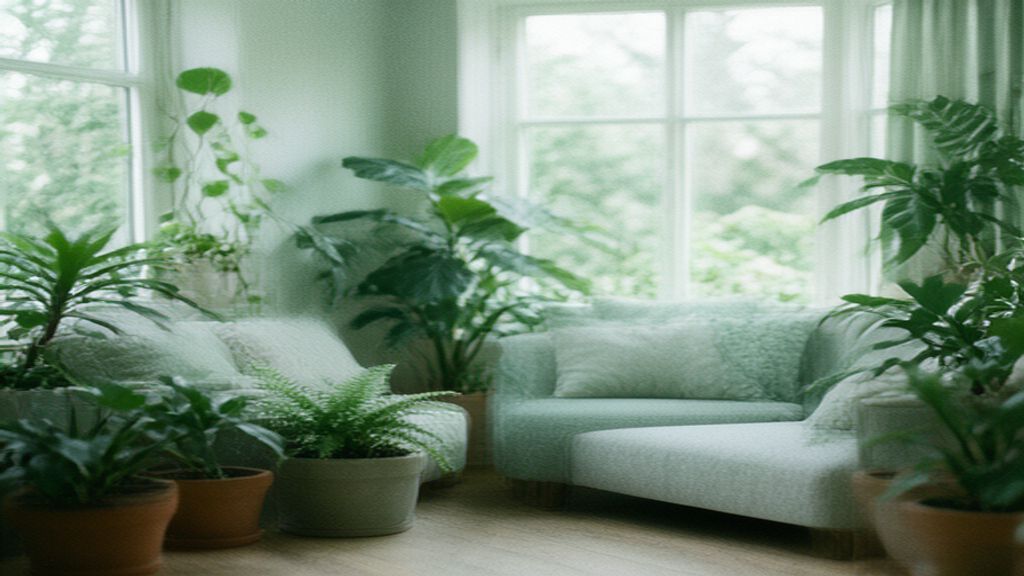
Whether at home, work, or outdoors, these five qualities support presence and stillness. They're guidelines, not requirements—adapt based on what's available to you.
Spaces with natural light tend to support presence more than artificial lighting. If possible, sit near a window or move outside. On cloudy days or indoors, soft warm lighting works well too.
Quietness isn't essential—some people focus better with gentle background sounds (wind, water, birds). The key is avoiding sudden loud noises. Low-volume ambient sound or complete quiet both work.
Plants, water, stone, or earth—even one small plant in a workspace can support presence. If you're outdoors, the presence of plants or natural materials creates a calming effect.
Rooms that feel open and uncluttered tend to support ease and presence. This doesn't require minimalism—just relatively clear lines of sight and room to breathe.
Physical comfort matters. A chair that supports your spine, appropriate temperature, and freedom from distracting discomfort help sustain presence during your pause.
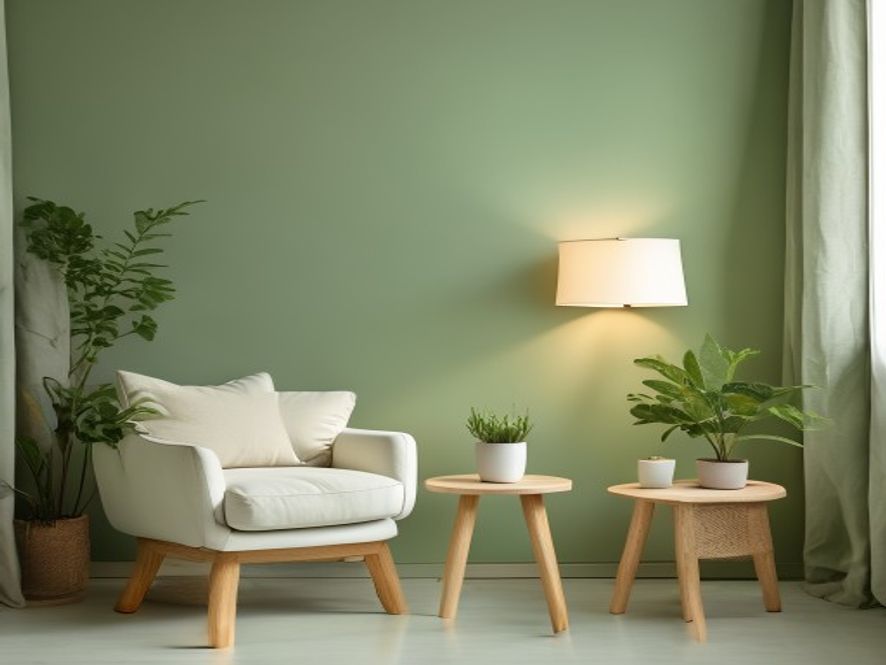
Your home is where you can create a dedicated pause space if you have room. This doesn't require much—even a corner of a room can work beautifully.
Keep it simple. The most important factor is that the space feels inviting and is relatively undisturbed during your pause time.
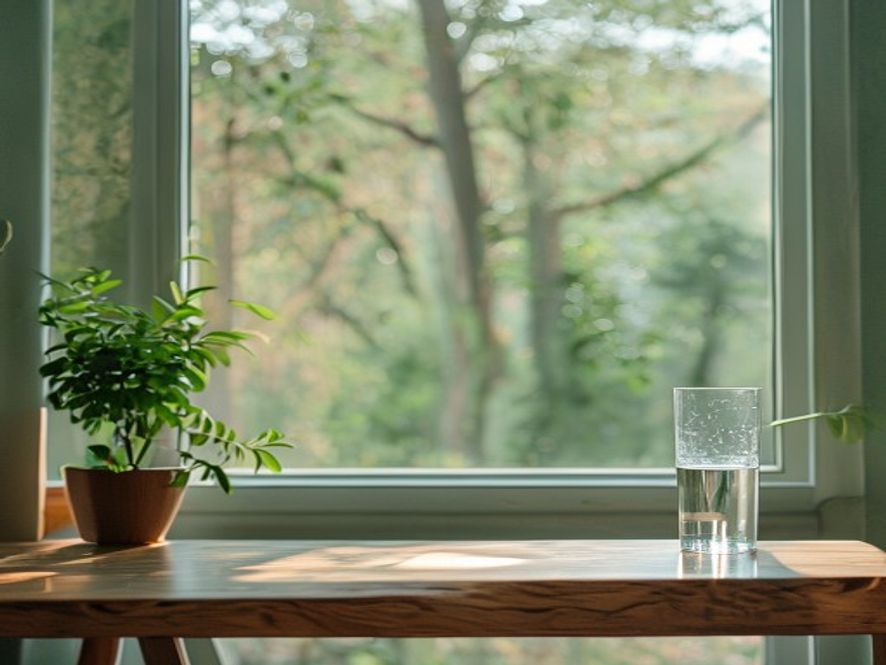
Many workplaces don't have dedicated quiet areas, but you can create pause-friendly moments with what's available.
Even 2–3 minutes in a slightly different location helps signal a transition to your mind.
Outdoor environments offer natural support for presence and stillness. These might be parks, gardens, coastlines, or quiet streets.
Public parks and gardens offer plant life, open space, and often quieter areas. Many people find sitting on a bench surrounded by greenery particularly supportive. Parks are free and accessible.
Proximity to water—ocean, rivers, lakes—creates a strong supportive environment. The sound of water and the openness of the horizon support many people's sense of ease and presence.
Sitting at a slightly higher vantage point offers perspective. Even a small hill or viewpoint in a local park can provide a sense of opening that supports pause and reflection.
Sometimes a simple walk on a quiet street or path is enough. The gentle movement combined with minimal crowds creates space for presence. Walking itself can be a form of pause.
When entering a pause space, use this simple checklist to settle in:
This sequence takes 1–2 minutes and helps orient you toward presence as you enter a pause space.